+62 817-4929-054


Brain Tumors: Recognize the Symptoms, Causes, and Treatment Options
31 July 2026
3 min read


By: dr. Moch. Evodia Slamet R, Sp.BS
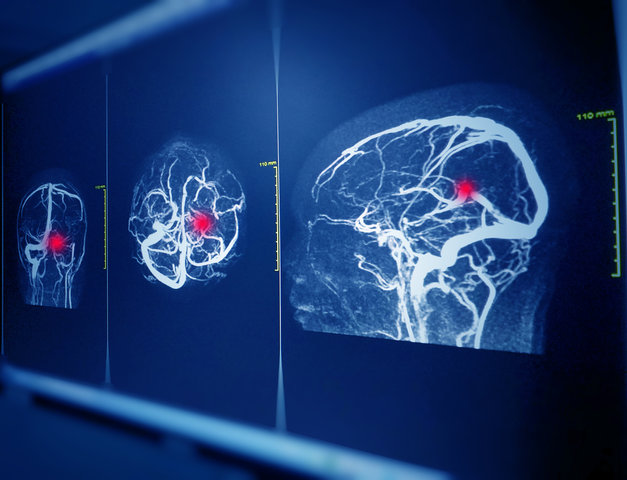
A brain tumor is a condition characterized by the abnormal growth of cells within the brain or surrounding tissues. Although often associated with cancer, not all brain tumors are malignant. In fact, the majority are benign tumors that still require monitoring and treatment tailored to the patient's condition.
Brain Tumors Do Not Always Mean Cancer
Generally, brain tumors are classified into two groups:
- Primary brain tumors are tumors that originate from brain cells or the membranes covering the brain (meninges).
- Secondary brain tumors (metastatic tumors) are tumors that originate in other organs—such as the lungs, breast, or thyroid—and subsequently spread to the brain. Epidemiological data indicate that metastatic tumors are the most common type of brain tumor, occurring approximately ten times more frequently than primary brain tumors.
Among primary brain tumors, approximately 72% are benign, while 28% are malignant. One of the most common benign tumors is the meningioma, which originates from the membranes covering the brain. Meanwhile, a frequently encountered malignant tumor is the glioblastoma, which arises from the brain's supporting cells (gliomas).
What Are the Symptoms of a Brain Tumor?
Brain tumor symptoms depend on the tumor's size, location, and growth rate. In the early stages, symptoms are often nonspecific and easily overlooked.
Some symptoms to watch out for include:
- Headaches that become increasingly frequent, severe, and prolonged
- Blurred or double vision
- First-time seizure in a person with no prior history of epilepsy
- Weakness in the arms or legs
- Impaired balance while walking
- Hearing loss
- Bulging eyes or crossed eyes (depending on the tumor's location)
- Changes in behavior or personality
- Nausea and projectile vomiting
- Decreased level of consciousness
Not all headaches are signs of a brain tumor. However, if symptoms persist, worsen, or are accompanied by other neurological issues, you should consult a doctor immediately.
Why Can Brain Tumors Be Dangerous?
The brain is located within the cranial cavity, where space is extremely limited. As a tumor grows, it can compress brain tissue, thereby disrupting the functions of various parts of the brain.
In certain situations, a tumor can also:
- Obstructing the flow of cerebrospinal fluid, resulting in hydrocephalus (a buildup of fluid within the brain).
- Causing hemorrhage, which can lead to a sudden loss of consciousness.
- Compressing the brainstem, the part of the brain that controls vital functions such as breathing and heart rate. This is a medical emergency requiring immediate treatment.
How Is a Brain Tumor Diagnosed?
Diagnosis begins with a discussion of symptoms and a physical examination by a doctor.
Next, the doctor may recommend imaging tests such as:
- Head CT scan, particularly in emergency situations.
- Brain MRI with contrast, which generally provides more detailed images regarding the tumor's size, location, and characteristics. In many cases, a non-contrast CT scan is insufficient to confirm the presence of a tumor, making an MRI or a contrast-enhanced CT scan often necessary.
Additional tests may be performed as needed, such as laboratory tests or cerebral angiography.
How is it treated?
Brain tumor treatment is tailored to the tumor type, size, and location, as well as the patient's age and overall health.
Treatment options include:
- Drug therapy, used to reduce brain swelling, manage symptoms, or provide hormonal treatment for specific types of tumors.
- Surgery, utilizing microsurgical or endoscopic techniques, aimed at removing the tumor while simultaneously relieving intracranial pressure.
- Radiotherapy, including Gamma Knife Radiosurgery—a high-precision, incision-free radiation therapy. This method is typically used for small tumors (less than 3 cm or approximately 8 cc), such as meningiomas, pituitary adenomas, and schwannomas, as well as certain metastases.
- Chemotherapy, used for specific types of malignant tumors, such as glioblastoma.
When Should You Go to the Hospital Immediately?
Do not delay seeking medical attention if you experience:
- First-time seizure.
- Worsening headache accompanied by projectile vomiting.
- Deteriorating vision.
- Weakness on one side of the body.
- Sudden loss of consciousness.
Do not ignore unusual symptoms. If you or a family member experience symptoms suggestive of a brain disorder, consult a neurosurgeon to obtain an accurate diagnosis and appropriate treatment.
Contact us
For information and make an appointment

| Loading data... |
|---|