+62 817-4929-054


Sarcoma Cancer: A Rare Type of Cancer That Can Attack Bones and Soft Tissues
22 June 2026
4 min read


By: dr. Arman Muchtar, Sp.B., Subsp. Onk (K)
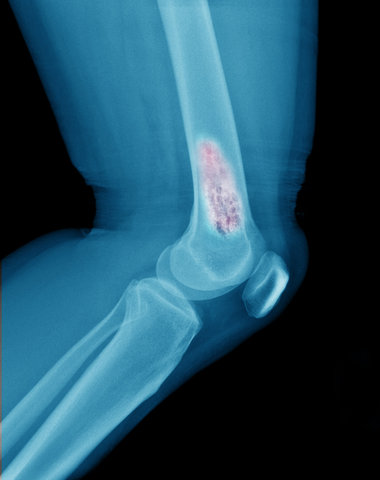
Sarcoma cancer is a rare type of cancer that develops in the body's supporting tissues, such as muscles, fat, blood vessels, nerves, tendons and bones. In contrast to cancer that originates from internal organs, sarcomas arise from connective tissue or mesenchymal tissue found in various parts of the body.
Even though it is relatively rare, sarcoma cancer can be aggressive and spread to other organs if it is not diagnosed and treated early. However, with advances in modern medical technology, rapid diagnosis and multidisciplinary treatment can now increase the success rate of treatment and the patient's quality of life.
What is Sarcoma Cancer?
Sarcomas are a group of cancers that originate in soft tissue and bone. Generally, sarcomas are divided into two main categories:
1. Soft Tissue Sarcoma
This type of sarcoma develops in various tissues, such as:
Muscle
- Fat
- Nerves
- Tendons
- Blood vessels
- Fibrous tissue
2. Bone Sarcoma
This type of sarcoma attacks bone tissue, including:
- Osteosarcoma
- Chondrosarcoma
- Ewing sarcoma
Sarcoma cancer can appear in almost any part of the body, but is most often found in the arms, legs, chest, abdomen, and pelvis.
Types of Sarcoma Cancer
There are more than 70 subtypes of sarcoma. Some of the most common types include:
- Liposarcoma, a cancer that originates in fatty tissue.
- Leiomyosarcoma, a cancer that originates in smooth muscle and is often found in the uterus or digestive tract.
- Rhabdomyosarcoma, a cancer that originates in skeletal muscle tissue and is more common in children.
- Angiosarcoma, a cancer that develops in blood vessels or lymphatic vessels.
- Osteosarcoma, a type of primary bone cancer that commonly occurs in adolescents and young adults.
- Ewing Sarcoma, an aggressive tumor that often affects the bones and soft tissues of children and adolescents.
Causes and Risk Factors of Sarcoma Cancer
The exact cause of sarcoma is not fully understood. However, several factors can increase the risk of developing this disease, including:
- Previous history of radiation therapy
- Certain genetic disorders
- Exposure to industrial chemicals
- Chronic lymphedema
- Family history of certain types of cancer
- Inherited genetic disorders
However, most cases of sarcoma occur without any clear risk factors.
Symptoms of Sarcoma Cancer
Symptoms of sarcoma often develop slowly and depend on the location of the tumor. Some signs to look out for include:
- A lump that continues to grow
- Pain in a specific area
- Swelling
- Impaired movement
- Bone pain, especially at night
- Bone fractures
Unexplained weight loss - Easily tired
In the early stages, some patients do not even feel any complaints.
Sarcoma Cancer Diagnosis
A diagnosis of sarcoma cancer requires a thorough evaluation by a multidisciplinary team of doctors, which includes:
- Physical Examination
The doctor will assess the size, location, and characteristics of the lump. - MRI (Magnetic Resonance Imaging).
This is the primary test for viewing soft tissue details. - CT Scan
Used to evaluate the spread of cancer to other organs. - PET Scan
Aims to assess the metabolic activity of cancer cells. - X-ray
Used primarily in cases of bone sarcoma. - Biopsy
A biopsy is an important test to determine the type and degree of malignancy of the tumor.
Sarcoma Cancer Stages
Determining the stage of sarcoma cancer takes several factors into account, including:
- Tumor size
- Tumor location
- Grade of malignancy
- Spread to lymph nodes
- Metastasis to other organs
Staging is very important to help doctors determine the most appropriate therapy strategy for each patient.
Sarcoma Cancer Treatment
Treatment of sarcoma cancer requires an individual approach based on the type, size, location, and stage of the disease.
- Surgery
Is the primary procedure to completely remove the tumor while preserving maximum organ function. - Radiation
Used before or after surgery to help destroy cancer cells. - Chemotherapy
Given for certain types of sarcoma, especially those that are aggressive or have spread. - Targeted Therapy
Is a modern therapy that targets specific characteristics of cancer cells. - Immunotherapy
In some cases, immunotherapy helps the immune system recognize and fight cancer cells.
Complications of Sarcoma Cancer
If not treated properly, sarcoma cancer can cause various complications, such as:
- Spread of cancer to the lungs
- Impaired organ function
- Chronic pain
- Impaired mobility
- Pathological fractures
- Decreased quality of life
Can Sarcoma Cancer Be Prevented?
Because the exact cause is unknown, sarcoma cancer cannot always be prevented. However, the risk of complications can be reduced by:
- Routine checkups for abnormal lumps
- Early evaluation for persistent bone pain
- Adopting a healthy lifestyle
- Avoiding exposure to hazardous chemicals
- Genetic counseling for high-risk families
When to See a Doctor?
Immediately consult a doctor if you experience:
- A lump that continues to grow
- Persistent bone pain
- Unexplained swelling
- Impaired movement
- Severe weight loss
- A lump that feels hard or painful
Conclusion
Sarcoma is a rare type of cancer that affects soft tissue and bones. Although it can develop aggressively, early diagnosis and modern therapies can improve the chances of recovery and improve a patient's quality of life.
Be alert for lumps that continue to grow or bone pain that doesn't improve. Early medical consultation is crucial for obtaining a prompt, accurate, and optimal diagnosis and treatment.
If you find an abnormal lump, experience persistent bone pain, or require further information and treatment regarding sarcoma, don't hesitate to consult a specialist at Premier Bintaro Hospital. Our multidisciplinary team is ready to provide comprehensive examinations and treatment to help you receive the best care.
Contact us
For information and make an appointment

dr. Arman Mukhtar, Sp.B, Subsp. Onk (K)
Bedah Onkologi View Schedule| Loading data... |
|---|