+62 817-4929-054


Getting to Know Vascular and Endovascular Surgery: Modern Treatment for Blood Vessel Disease
27 July 2026
4 min read


By: Dr. dr. Raden Suhartono, Sp.B, SubSp.BVE(K)
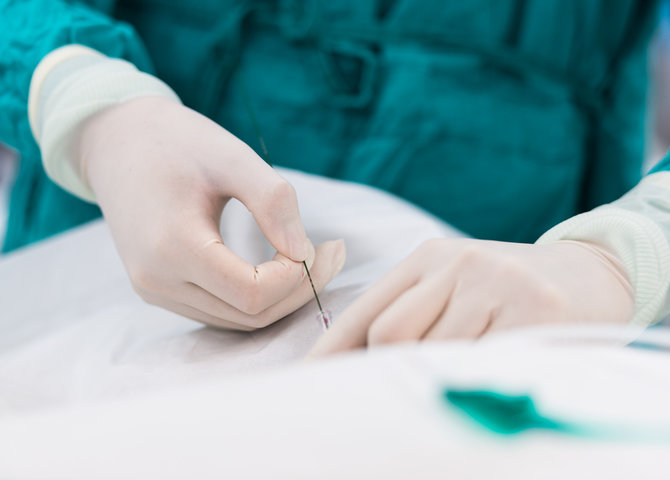
Blood vessels play a vital role in circulating blood, which carries oxygen and nutrients throughout the body. When blood vessels are disrupted, various organs can be damaged due to a lack of blood supply. With advances in medical technology, many blood vessel diseases can now be treated with endovascular procedures, minimally invasive procedures that offer faster recovery than conventional surgery.
What Are Vascular and Endovascular Surgery?
Vascular surgery is a branch of surgery that addresses diseases of the arteries, veins, and lymphatic system, from diagnosis to therapy. Treatment involves more than just open surgery, but also includes drug therapy, endovascular procedures (through the blood vessels), and management of complications of blood vessel disease. Heart and brain blood vessels are generally managed by other specialists.
What Is Endovascular Surgery?
Endovascular surgery is a medical technique performed through a small incision, usually in the groin, to insert a catheter into the blood vessel. Using imaging, the doctor can access the location of narrowing, blockage, or abnormality in the blood vessel without requiring extensive surgical intervention.
Compared to open surgery, endovascular surgery has several advantages, such as:
- Smaller incisions.
- Less post-procedure pain.
- Shorter hospital stay.
- Lower risk of certain complications.
- Quicker return to daily activities.
However, this procedure uses specialized technology and equipment, so it's not always cheaper than conventional surgery.
What Diseases Can Be Treated?
Vascular and endovascular surgery can be used to treat various blood vessel diseases, including:
1. Arterial Disease in Diabetics
Diabetics are at risk of developing Peripheral Arterial Disease (PAD), a narrowing of the blood vessels in the legs that reduces blood flow. This condition is often accompanied by neuropathy (nerve damage), making wounds on the feet difficult to heal and increasing the risk of developing diabetic foot.
To determine the appropriate therapy, the doctor will conduct a thorough examination, including a medical interview, physical examination, wound assessment, and supporting examinations such as vascular Doppler ultrasound or CT angiography (CTA).
2. Varicose Veins
Varicose veins occur when the valves in the veins don't function properly, causing blood to pool and causing the veins to widen. In addition to being unsightly, varicose veins can cause aches, pains, swelling, and a reduced quality of life.
Treatment options include:
- Sclerotherapy, which involves injecting a special fluid (polidocanol) to close varicose veins.
- Endovenous Laser Therapy (EVLT), which uses laser energy to close the veins from within.
- Radiofrequency Ablation (RFA), which uses controlled heat to cause collagen in the vein walls to shrink, permanently closing the veins.
3. Aortic Aneurysm
An aneurysm is an abnormal widening of a blood vessel caused by a weakening of the vessel wall. As it grows larger, an aneurysm is at risk of rupture and causing life-threatening bleeding.
Currently, some patients can undergo Endovascular Aneurysm Repair (EVAR), which involves inserting a stent graft through the blood vessel to strengthen the aortic wall without major surgery.
4. Sudden Blood Vessel Blockage
Acute Limb Ischemia is a condition where blood flow to the leg suddenly stops due to a blood vessel blockage. This condition is an emergency because tissue can suffer permanent damage if not treated immediately. Endovascular therapy can help reopen blood flow, increasing the chance of saving the limb.
Embolization: Stopping Bleeding Without Major Surgery
In addition to opening blocked blood vessels, endovascular techniques can also be used to close off certain blood vessels through a procedure called embolization.
- This procedure is useful for treating:
- bleeding due to trauma,
- vascular malformations,
- pseudoaneurysms,
- and even helping reduce blood flow in certain types of tumors.
Doctors use special materials such as coils, gelatin sponges, or other embolization materials to seal blood vessels that are the source of bleeding or abnormalities.
Proper Treatment Starts with Diagnosis
Each blood vessel disease requires a different approach. Therefore, the doctor will determine the treatment option based on the type of disease, the location of the abnormality, the severity, and the patient's overall health.
Early detection and appropriate treatment can help prevent serious complications such as slow-healing wounds, loss of limb function, and even life-threatening bleeding.
If you experience bothersome varicose veins, non-healing diabetic foot wounds, leg pain when walking, or suspect a blood vessel disorder, consult a vascular or endovascular surgeon immediately for appropriate examination and treatment.
Contact us
For information and make an appointment

| Loading data... |
|---|