+62 817-4929-054


Understanding Bariatric–Metabolic Surgery for Obesity
21 May 2026
2 min read


Jakarta, Wednesday, May 20, 2026 - This event featured Dr. dr. Errawan Wiradisuria, Sp.B, Subsp. BD(K), M.Kes, Consultant Surgical Specialist Subspecialist in Digestive Surgery, who will discuss the development of obesity treatment through a bariatric-metabolic surgical approach. The event was also attended by Dr. Relia Sari, MARS, CEO of Premier Bintaro Hospital.
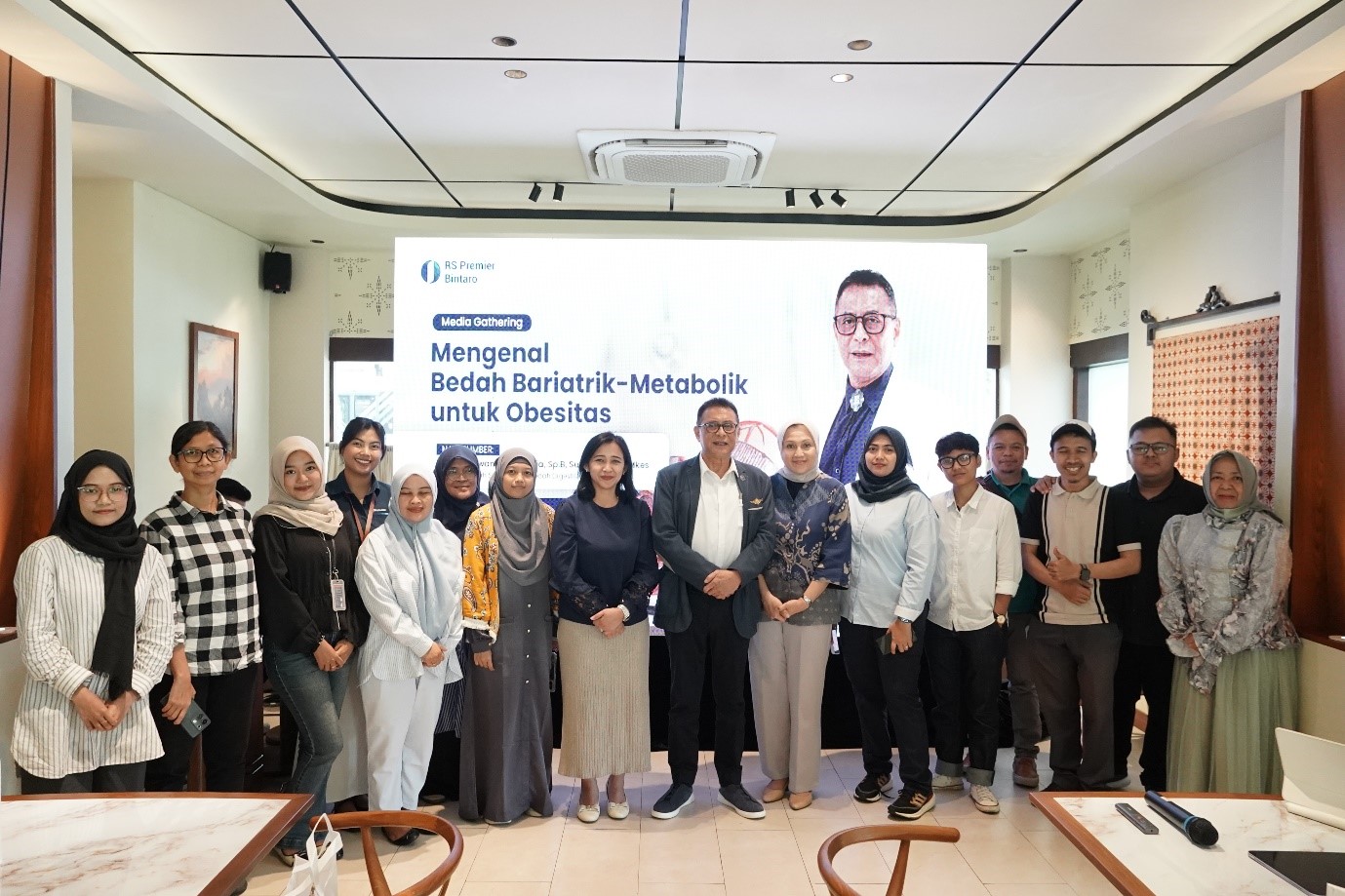
Obesity is no longer simply viewed as a lifestyle issue, but rather as a chronic disease that can lead to various serious complications such as diabetes, hypertension, heart disease, sleep disorders, and a reduced quality of life. This was one of the points conveyed by Dr. dr. Errawan Wiradisuria, Sp.B, KBD, M.Kes in an educational session titled "Understanding Bariatric-Metabolic Surgery for Obesity."
According to him, various global health organizations, such as the American Medical Association and the Canadian Medical Association, have categorized obesity as a chronic disease requiring serious and ongoing treatment. However, in Indonesia, obesity is still often considered merely a lifestyle issue.
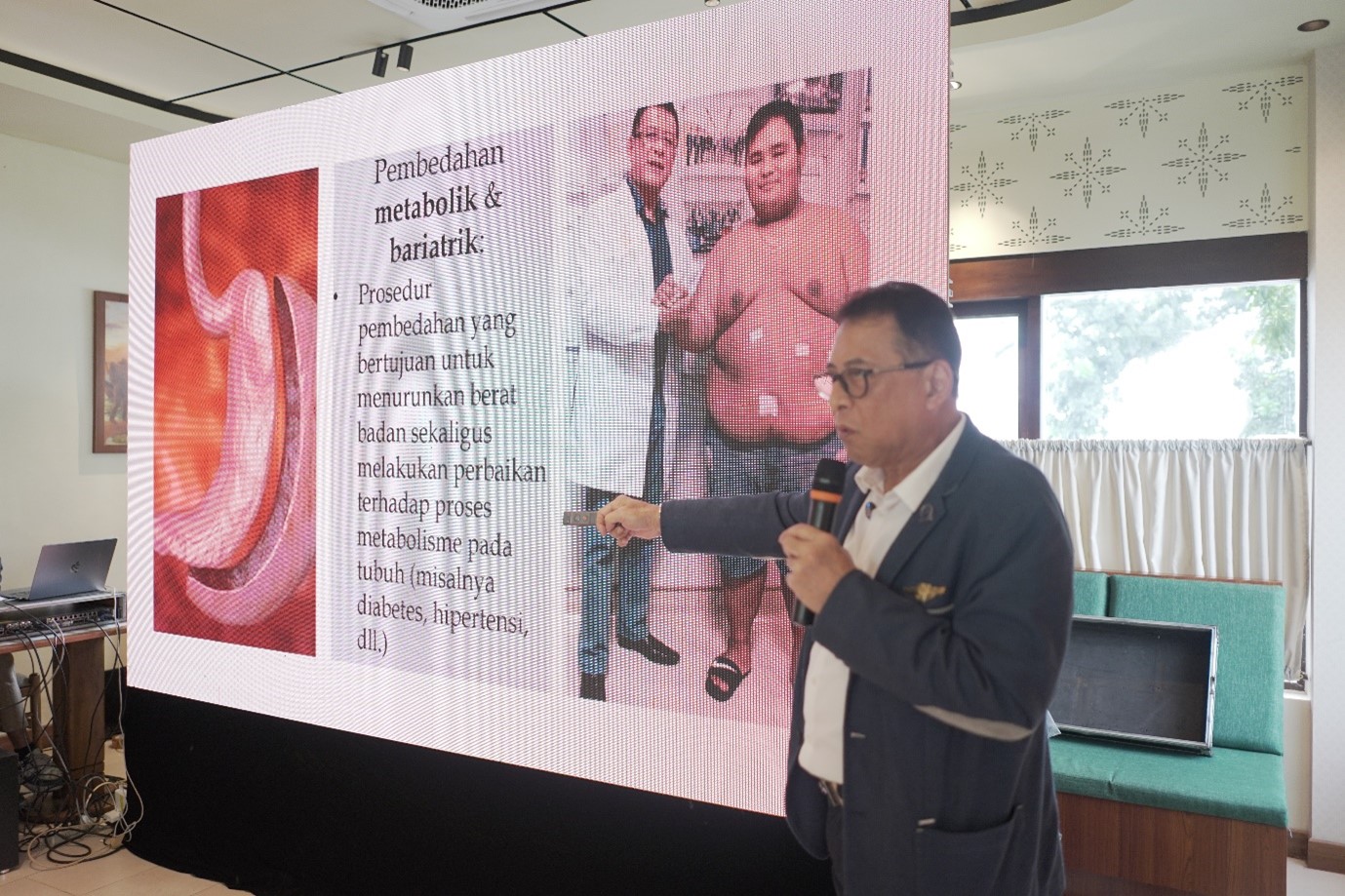
Bariatric-metabolic surgery is a surgical procedure aimed at promoting weight loss while simultaneously correcting metabolic disorders, such as diabetes and hypertension. Compared with conservative methods such as diet, exercise, and medication, this procedure is considered to provide more effective long-term results in cases of severe obesity.
Some of the main benefits of bariatric surgery include:
- Significant and long-lasting weight loss
- Improved patient quality of life
- Reduced risk of comorbidities
- Improved diabetes, hypertension, and high cholesterol
Patients who are suitable candidates for surgery are individuals with a BMI above 35, or a BMI above 30 with high-risk obesity-related comorbidities. Furthermore, patients must be committed to healthy lifestyle changes and long-term health management. In the educational session, Dr. Errawan will explain:
- The impact of obesity on health
- Criteria for patients eligible for bariatric surgery
- Types of modern bariatric procedures
- Post-surgery lifestyle and diet
- Benefits of the procedure for diabetes, hypertension, and metabolic syndrome
Currently developing bariatric surgery techniques include:
- Sleeve Gastrectomy (SG)
- Roux-en-Y Gastric Bypass (RYGB)
- One Anastomosis Gastric Bypass (OAGB)
- Biliopancreatic Diversion with Duodenal Switch (BPD-DS)
- Sleeve Gastrectomy with Proximal Jejunal Bypass (PJB-S)
One of the most popular procedures is Laparoscopic Sleeve Gastrectomy (LSG) due to its relative simplicity, low complication rate, and rapid weight loss with a shorter hospital stay.
In addition to surgery, the success of therapy is also greatly influenced by patient compliance with post-operative diet, vitamin intake, regular exercise, and overall healthy lifestyle changes.
However, currently, bariatric surgery procedures are still not covered by insurance or the National Health Insurance (BPJS), as many still consider bariatric surgery to be a cosmetic procedure. This is despite the fact that since 2013, the World Health Organization has declared obesity a disease because it is almost always accompanied by various comorbidities such as hypertension, obstructive sleep apnea (OSA), hyperlipidemia, diabetes, gallstones, hormonal disorders with irregular menstruation, knee pain, and varicose veins in the legs.
To receive appropriate treatment, consultation with a specialist is highly recommended so that patients receive optimal evaluation and therapy tailored to their individual condition. Premier Bintaro Hospital hopes that this activity can serve as an educational tool for the media and the public to better understand that obesity is a medical condition that can be treated appropriately through a multidisciplinary approach and modern surgical technology.

DR. dr. Errawan Wiradisuria, Mkes., Sp.B, Subsp. BD (K)
Bedah Digestif View Schedule| Loading data... |
|---|