+62 817-4929-054


5 Key Moments When Female Hormones Can Affect Oral Health
31 December 2025
3 min read


By: drg. Devi Oktora, MKM, Sp.PM
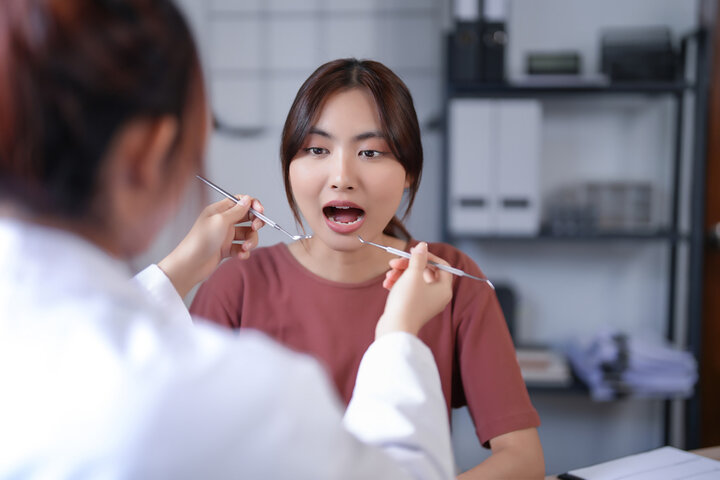
Reproductive hormones in a woman's body normally fluctuate over time. Interestingly, these hormonal changes affect not only the reproductive system but also oral health. What's the real connection? Read the full article below.
Understanding Female Reproductive Hormones
Estrogen and progesterone are two reproductive hormones that play a vital role in women's reproductive and overall health. Both are responsible for the development of secondary sex characteristics, such as breast development, as well as the monthly menstrual cycle. If levels of either hormone decrease or increase, the reproductive system may also experience changes. For example, menstrual cycles may become shorter or longer.
Furthermore, these two hormones can also affect women's health beyond sexual and reproductive health. Clinically proven findings include estrogen supporting heart health, helping maintain bone strength, improving brain health, and even influencing oral health.
Why Do Female Reproductive Hormones Affect Oral Health?
Estrogen and progesterone play a role in regulating various bodily functions, including tissue metabolism, blood flow, inflammatory responses, and microbial composition. When these hormones increase, blood flow to the gum tissue increases, making the gums more sensitive to irritation caused by plaque buildup in the mouth. These hormonal effects can cause:
- Gums that swell or bleed easily,
- increased inflammatory response,
- changes in saliva production,
- changes in oral microflora,
- the appearance of jaw joint complaints.
Therefore, at certain times, people, especially women, are more susceptible to dental and oral health problems.
Times When Reproductive Hormones Affect Oral Health
Here are times when reproductive hormones interfere with or affect oral health:
1. Puberty
During puberty, between the ages of 8 and 13, there is a surge in estrogen and progesterone production. This significant increase can increase blood flow to the gums and change how they react to irritation and plaque. As a result, gum tissue becomes red, swollen, and tender, and tends to bleed easily when brushing, increasing the risk of pubertal gingivitis.
2. Menstruation
Increased progesterone levels during the menstrual cycle (2-7 days per 21-35 day cycle) will increase the risk of canker sores (aphthous stomatitis), red, swollen gums, swollen or painful salivary glands, or bleeding gums. Some women also experience gingivitis just before menstruation begins (on the first day), which resolves on its own.
3. Using Contraceptives
Women who take birth control pills containing progesterone are also at risk of developing gingivitis. This is because the progesterone in these pills increases the body's natural progesterone hormone levels, triggering a gum reaction to the increased plaque toxins.
Conversely, taking birth control pills containing estrogen actually lowers natural estrogen levels. However, this can also lead to other oral problems affecting the temporomandibular joint (TMJ). This joint connects the jaw to the side of the head, so disorders of this joint can interfere with chewing control and jaw movement, leading to discomfort when chewing.
4. Pregnancy
During pregnancy, progesterone levels increase significantly. This condition makes pregnant women more susceptible to gingivitis (gingivitis gravidarum), enlarged gum tissue (epulis gravidarum), increased bacterial plaque, and a higher risk of periodontitis if gingivitis is left untreated and oral hygiene is poor. To reduce the risk of oral problems, pregnant women should regularly clean their mouths and teeth during the second or third trimester.
5. Menopause
Menopause is the phase of a woman's life where she stops having menstrual cycles for 12 months before stopping permanently. On average, menopause occurs at age 51. During menopause, a woman's body stops producing most estrogen. This affects the structure of the bones and tissues of the mouth, increasing the risk of oral health problems such as dry mouth (xerostomia), changes in oral flora (increased yeast/candida), a burning sensation in the mouth (burning mouth syndrome), an increased risk of irritating gums, and accelerated loss of the supporting bone (alveolar bone) if left untreated.
How to Maintain Dental and Oral Health During Hormonal Changes
Based on the explanation above, fluctuating estrogen and progesterone levels directly affect oral health. To maintain good dental and oral health, brush your teeth at least twice a day with fluoride toothpaste, eat a balanced diet, and manage dry mouth, especially during menopause. Drink plenty of water. Suck on sugar-free candy or cut fruit with a high water content to stimulate the salivary glands. Avoid caffeine and alcohol. Don't forget to visit your dentist at least once every six months.
Premier Cheers Dental is a specialized clinic specializing in dental and oral health issues located at Premier Bintaro Hospital. All dentists at this clinic are highly competent, ensuring a safe and comfortable treatment process.
Contact us
For information and make an appointment

| Loading data... |
|---|