


+62 817-4929-054


5 Most Common Eye Disorders in Adults
27 April 2026
3 min read


By: dr. Kirana A. Sampurna, Sp.M
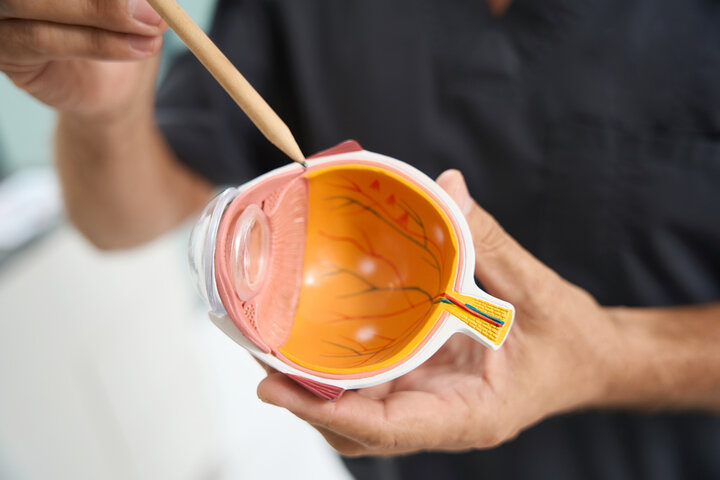
Eye disorders can affect anyone of any age. However, some eye disorders are more common in adults, usually due to age, medications, or complications from other health conditions. What are they?
Cataracts
Cataracts are one of the most common causes of blindness in Indonesia. Cataracts usually take years to be detected. As a result, many people don't realize they have cataracts until they become obvious. If left untreated, cataracts can lead to blindness. Symptoms of cataracts include:
- Foggy or cloudy vision.
- Reduced vision at night.
- Light sensitivity and discomfort when looking at light.
- White halos appear when looking at light.
The causes of cataracts vary, but aging is the most common. Additionally, eye injuries, excessive sun exposure, medical history, and genetic factors can contribute.
Diabetic Retinopathy
Diabetic retinopathy is a disorder of the retina caused by complications of diabetes. High blood sugar levels can damage the small blood vessels in the retina, causing fluid leakage, bleeding, and abnormal blood vessel growth. Symptoms of diabetic retinopathy include:
- Blurred and impaired vision.
- The appearance of black dots (floaters) in the vision.
- Vision feels like it's covered by a curtain or shadow.
- Gradual vision loss.
The main cause of diabetic retinopathy is untreated type 1 and type 2 diabetes. High blood pressure and high cholesterol can also contribute.
Night Blindness
Night blindness (nyctalopia) is a condition where a person has difficulty seeing in low light or at night. Generally, night blindness does not lead to total blindness and can be treated with eyeglasses or laser eye surgery. Symptoms of night blindness include:
- Difficulty seeing in low light or dark places.
- The eyes cannot adjust from light to dark.
- Decreased vision and blurred vision at night.
Night blindness is commonly experienced by adults and the elderly. Other factors such as vitamin A deficiency, genetics, and other nearsightedness conditions can also contribute.
Glaucoma
Glaucoma is a condition in which pressure within the eye increases, causing damage to the optic nerve, which is essential for vision. If left untreated, glaucoma can lead to permanent blindness. Symptoms of glaucoma include:
- Gradual vision loss, especially peripheral vision.
- Eye pain.
- Nausea and vomiting.
- Red eyes.
- Seeing halos.
Glaucoma can be caused by injury, genetic factors, or the use of certain medications such as steroids.
Color Blindness
Color blindness is a condition in which a person has difficulty distinguishing certain colors, especially red and green or blue and yellow. Color blindness is classified into several spectrums, and not all cases of color blindness involve complete color blindness. Symptoms of color blindness include:
- Difficulty distinguishing certain colors, especially bright colors like red or yellow.
- Seeing colors with different intensities than others.
- Difficulty reading color codes, for example on maps or graphs.
The most common cause of color blindness is genetics, but other conditions can contribute, such as optic nerve disorders, side effects of medications (such as anti-TB drugs or heart medications), or exposure to certain chemicals.
How to Maintain Eye Health
Sight is the most important sense in the body. Impaired vision or blindness can have a significant impact on your health and well-being. It's important to maintain eye health to reduce the risk of eye disorders. Ways to maintain eye health include:
- Eat nutritious foods rich in vitamin A, such as carrots and pumpkin. Foods containing omega-3 fatty acids, such as fish and nuts, are also good for eye health.
- Avoid rubbing your eyes, especially with dirty hands or if your eyes are infected. If your eyes feel itchy, rinse with clean water or use eye drops.
- Adjust the screen brightness when using your gadgets. Don't make them too bright or too dim. At night or in dark rooms, it's best to avoid prolonged gadget use.
- Wear sunglasses when you're outdoors or exposed to direct sunlight. Excessive UV exposure can increase the risk of optic nerve disorders.
These five eye disorders can be treated with medical attention. It's a good idea to have your eyes checked regularly and consult a doctor immediately if you experience any unusual symptoms. If you need a consultation with an ophthalmologist, visit the Eye Specialist at Premier Bintaro Hospital for prompt treatment.
Contact us
For information and make an appointment

| Loading data... |
|---|

