


+62 817-4929-054


More Comfortable Shoulder Surgery? Research from RS Premier Bintaro Shows Interscalene Nerve Block Can Reduce Postoperative Pain
17 November 2026
3 min read


By: dr. Shafa Kamila | dr. Annemarie Chrysantia Melati, Sp.An-TI, Subsp. AR (K) | dr. Ismail Hari W, Sp.An-TI, Subsp. MN (K)
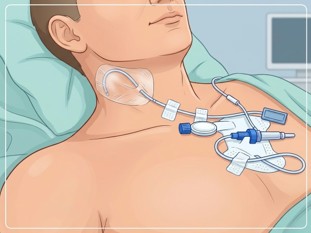
For many patients, the shoulder surgery itself is not the most daunting aspect. Instead, postoperative pain often proves to be the greatest challenge, potentially disrupting rest, comfort, and the overall recovery process. Consequently, the role of an anesthesiologist extends beyond the surgery itself; they also play a key part in managing pain after the procedure is complete.
One method frequently employed is the interscalene nerve block—a regional anesthesia technique that involves injecting a local anesthetic around the nerves responsible for transmitting pain signals from the shoulder. By temporarily blocking these pain signals, patients can experience greater comfort following surgery. This procedure is performed in the neck area after the patient has been placed under anesthesia.
What Is Being Studied?
A team of physicians at RS Premier Bintaro is conducting a study by reviewing the medical records of 80 adult patients who underwent elective shoulder surgery between August 2024 and September 2025.
Of all the patients studied:
- 55 patients received an interscalene nerve block.
- 25 patients did not receive the nerve block.
The researchers then compared several important aspects following the surgery, namely:
- The level of pain experienced by the patient.
- The need for additional pain-relief medication.
- The length of the hospital stay.
Research Findings
The research findings indicate that patients who received an interscalene nerve block experienced significant benefits.
1. Milder Postoperative Pain
Patients who received a nerve block reported lower pain levels:
- The first 1 to 2 hours after surgery.
- 24 hours after surgery.
These findings indicate that nerve blocks can provide effective pain control during the early recovery period, when discomfort is typically most intense.
2. Reduced Need for Additional Pain Medication
- Only about 4% of patients who received a nerve block required additional pain medication following surgery. In comparison, this figure reached 64% for the group that did not receive a nerve block.
- Furthermore, the need for stronger pain medication—including opioids—was also lower in the group that received a nerve block.
3. Length of Hospital Stay Tends to Be Shorter
- Patients who receive a nerve block have an average hospital stay of approximately 2.5 days, whereas patients without a nerve block remain in the hospital for about 3.2 days.
- Although this difference may seem modest, a shorter hospital stay can help patients return to their daily activities sooner and potentially reduce the overall burden of care.
Points to Consider
Because this study employs a retrospective medical record review method, the results cannot definitively prove that all observed differences are solely attributable to the interscalene nerve block. Furthermore, pain perception varies from person to person, meaning that individual patient experiences may differ.
Nevertheless, these findings further strengthen the evidence that an interscalene nerve block is an effective option for pain management following shoulder surgery. The decision to use this procedure remains at the discretion of the anesthesiologist, based on the patient's medical condition, the type of surgery, and the individual needs of each patient.
Contact us
For information and make an appointment

dr. Annemarie Chrysantia Melati, Sp.An-TI, Subsp. AR (K), BMedSci
Anastesi View Schedule| Loading data... |
|---|

dr. Ismail Hari Wahyu, Sp.An-TI, Subsp. MN (K)
Anastesi View Schedule| Loading data... |
|---|