+62 817-4929-054


Pulmonary Hypertension: A Rare Disease That Can Threaten the Heart and Lungs
22 May 2026
4 min read


By: dr. Febtusia Puspitasari, Sp.JP, FIHA, FASCC
What is Pulmonary Hypertension?
Pulmonary hypertension is a condition where blood pressure in the pulmonary arteries increases abnormally. These blood vessels carry blood from the heart to the lungs to obtain oxygen before being distributed throughout the body.
When pressure in the pulmonary arteries increases, the heart, especially the right ventricle, must work harder to pump blood. If left untreated, this condition can lead to right heart failure and reduce the patient's quality of life.
Pulmonary hypertension differs from ordinary hypertension. In generalized hypertension, blood pressure increases throughout the body, while pulmonary hypertension occurs specifically in the blood vessels of the lungs.
Why is Pulmonary Hypertension Dangerous?
Pulmonary hypertension often develops slowly, and its symptoms resemble other, more common diseases. As a result, many patients are not diagnosed until the disease is already in its advanced stages.
Without proper treatment, pulmonary hypertension can cause:
- Permanent heart damage
- Decreased oxygen levels in the body
- Impairment of daily activities
- Right-sided heart failure
- Risk of serious complications, including death
However, early diagnosis and appropriate therapy can help slow the progression of the disease and increase the patient's life expectancy.
Symptoms of Pulmonary Hypertension to Watch Out For
In the early stages, symptoms of pulmonary hypertension are often mild. As pressure on the lungs increases, symptoms can become more severe. Some common symptoms include:
- Shortness of breath during activity
- Easily tired
- Chest pain
- Heart palpitations
- Dizziness or fainting
- Blue lips or fingertips
- Swelling in the legs or abdomen
- Prolonged cough, sometimes accompanied by blood
If you experience the above symptoms, especially shortness of breath that gets worse without an obvious cause, seek medical attention immediately.
Causes of Pulmonary Hypertension
Pulmonary hypertension can be caused by various medical conditions. Based on the cause, this condition is divided into the following groups:
1. Pulmonary Arterial Hypertension (PAH)
Occurs due to narrowing of the pulmonary arteries, resulting in increased pressure. Causes can include:
- Genetic factors
- Autoimmune diseases
- Congenital heart disease
- Side effects of certain medications
2. Left Heart Disease
Disorders of the valves or function of the left heart can increase pressure on the lungs.
3. Lung Disease and Oxygen Disorders
Examples include:
- Chronic obstructive pulmonary disease (COPD)
- Pulmonary fibrosis
- Sleep apnea
4. Pulmonary Artery Obstruction
Chronic blood clots in the lungs can obstruct blood flow and trigger pulmonary hypertension.
5. Other Causes
Several metabolic diseases, blood disorders, or systemic disorders can also cause pulmonary hypertension.
Risk Factors for Pulmonary Hypertension
Several factors that can increase a person's risk of developing pulmonary hypertension include:
- Family history of pulmonary hypertension
- Congenital heart disease
- Autoimmune diseases such as lupus or scleroderma
- Chronic lung disease
- Obesity
- Smoking
- Certain infections
- Use of certain medications without medical supervision
How is Pulmonary Hypertension Diagnosed?
Because its symptoms resemble those of other heart or lung conditions, diagnosing pulmonary hypertension requires a thorough evaluation.
The doctor will typically perform:
- Physical Examination: To assess heart and lung function.
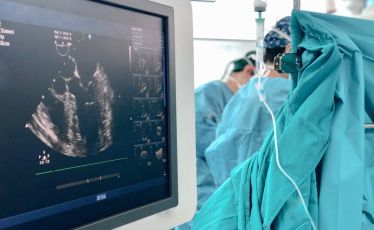
- Echocardiography (Cardiac Ultrasound): To help assess heart pressure and pumping function.
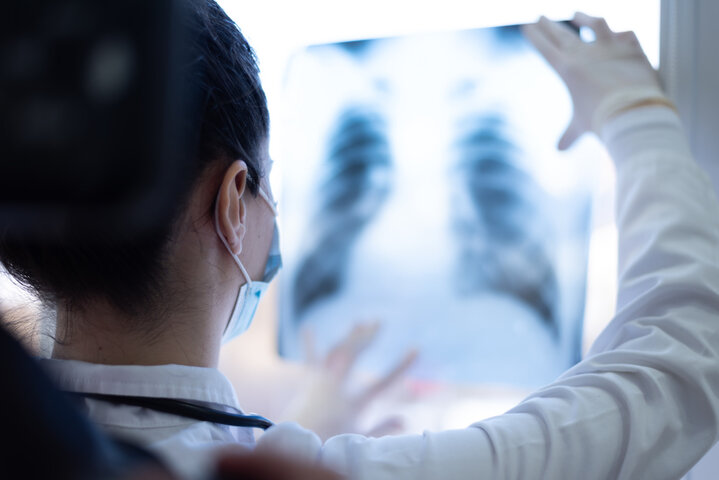
- CT Scan or MRI: To view the structure of the lungs and blood vessels.
- Pulmonary Function Test: To assess lung capacity.
- Right Heart Catheterization: This is the primary test to confirm a diagnosis of pulmonary hypertension and accurately measure pressure in the pulmonary arteries.
Pulmonary Hypertension Treatment
Treatment for pulmonary hypertension aims to reduce symptoms, slow disease progression, and improve the patient's quality of life. Therapy options may include:
1. Medications
Doctors may prescribe medications for:
- Dilates pulmonary blood vessels
- Reduces heart workload
- Prevents blood clots
- Controls body fluid levels
2. Oxygen Therapy
Necessary for patients with low oxygen levels.
3. Pulmonary Rehabilitation
Special exercise programs to help improve activity tolerance.
4. Interventional or Surgical Procedures
In certain circumstances, patients may require surgical procedures or a lung transplant.
Pulmonary hypertension treatment should be carried out in a multidisciplinary manner by specialists in cardiology, pulmonology, radiology, and medical rehabilitation.
Can Pulmonary Hypertension Be Prevented?
Not all cases of pulmonary hypertension can be prevented. However, the risk of complications can be reduced by:
- Avoid smoking and exposure to secondhand smoke
- Maintain an ideal body weight
- Control heart and lung disease
- Exercise as recommended by your doctor
- Have regular health check-ups
- Seek medical attention immediately if you experience unusual shortness of breath
When Should You See a Doctor?
Consult a doctor immediately if you experience:
- Worsening shortness of breath
- Easily fatigued for no apparent reason
- Fainting during activity
- Recurring chest pain
- Swelling in the legs or abdomen
Early diagnosis and therapy can help prevent serious complications from pulmonary hypertension.
Comprehensive Management of Pulmonary Hypertension
Treatment of pulmonary hypertension requires accurate evaluation, modern diagnostic technology, and a multidisciplinary approach. Regular checkups are crucial to monitor disease progression and the effectiveness of therapy.
With the support of an experienced medical team and comprehensive diagnostic and therapeutic facilities, patients with pulmonary hypertension have a better chance of living an active and quality life.
Contact us
For information and make an appointment

| Loading data... |
|---|